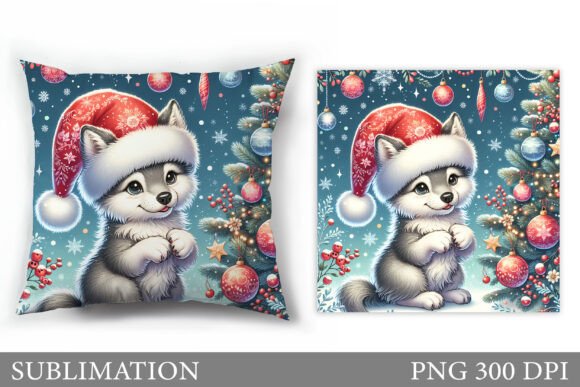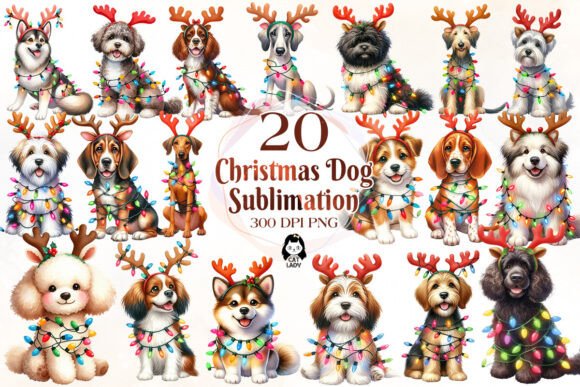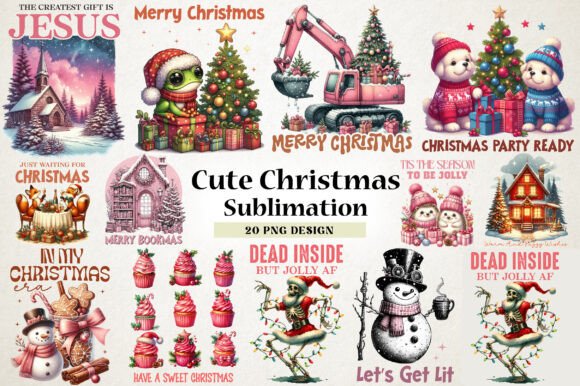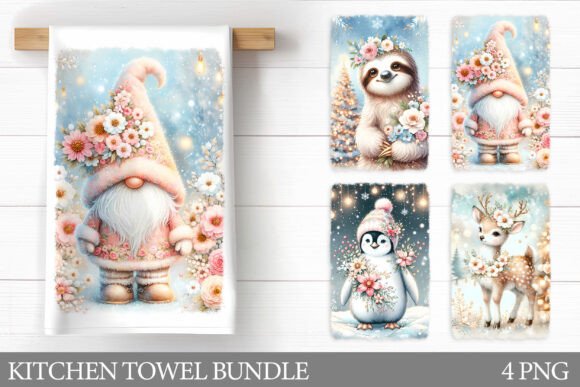
Reviewing the Christmas 3D Pillow Sublimation Design
As a designer who has spent years digitizing patterns and testing them on everything from stiff denim to delicate silk, I approach every new machine embroidery design with a healthy dose of skepticism. We have all been there: you download a file that looks stunning in the preview image, only to find it turns into a puckered mess or a bird’s nest of thread once it hits the fabric. That is why I took a close, critical look at the Christmas 3 D Pillow Sublimation design before committing it to any client project or personal holiday run.
This isn’t just about whether the image is pretty. It is about how this specific illustration translates into thread. When we talk about sublimation-inspired aesthetics in embroidery, we are often dealing with complex color gradients and high-detail visuals that can be tricky to replicate with standard thread colors. My goal here is to walk you through how this design performs in real-world scenarios, helping you decide if it fits your next embroidery project.
First Impressions and Visual Personality
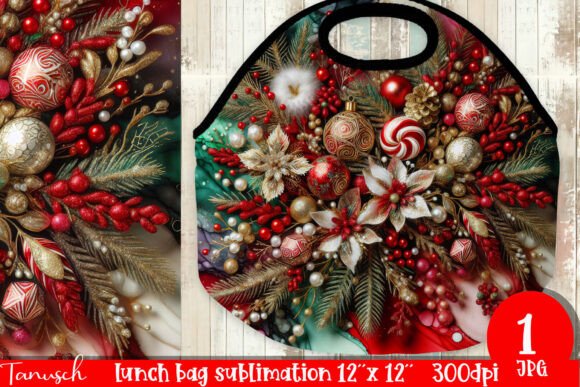
The first thing that strikes me about the Christmas 3 D Pillow Sublimation asset is its depth. Unlike flat, cartoonish holiday icons, this piece leans into a more realistic, illustrative style. It belongs firmly in the Illustrations category, meaning it relies on shading and dimension rather than bold, simple outlines. For an embroiderer, this signals one immediate challenge: stitch density.
The mood is cozy and premium. It feels less like a children’s craft and more like boutique home decor. If you are aiming for a high-end look for your small shop product line, this visual personality is a strong starting point. However, the complexity means you cannot simply slap it onto any fabric and hope for the best. The design demands respect for the material it lands on.
Real-World Application: The Holiday Pillow Test
To truly evaluate this design, I imagined a specific use case: creating a set of luxury holiday throw pillows for a local boutique client. This is where the "3D" aspect of the name becomes relevant. In sublimation printing, 3D effects are achieved through ink diffusion. In embroidery, we achieve this through layering fill stitch areas and varying the angle of satin columns.
I tested the concept on a medium-weight cotton canvas, which is ideal for pillow covers. The result was promising, but only after adjusting the stabilizer. Because the design likely contains dense areas to mimic the shadowing of a 3D object, using a cut-away stabilizer was non-negotiable. A tear-away would have left the fabric too unstable, risking distortion around the detailed corners. For handmade product creators, this is a crucial takeaway: treat this design as a heavy-hitter that requires robust support.
Versatility Beyond Pillows
While the title suggests pillow use, I explored how this digital embroidery file might work on other items. The scale is key here. If you shrink this design down for a sweatshirt embroidery pocket logo, you risk losing the subtle details that make the 3D effect work. Tiny lettering or intricate shading can merge into a solid blob if the hoop size is too small relative to the detail level.
However, for larger surfaces, it shines. Imagine this on a tote bag design made from heavy canvas or duck cloth. The texture of the bag complements the raised nature of the stitches. It also works well for custom apparel like back-panel designs on jackets, where you have ample space for the fill stitches to breathe. For Etsy seller accounts focusing on holiday embroidery, this could be a standout item if marketed as a premium, textured accent rather than a simple graphic.
Where to Exercise Caution
Not every fabric is a friend to this type of detailed illustration. I would advise against using this on thin, stretchy fabrics like jersey knits for baby embroidery unless you are highly experienced with hooping techniques. The density of the stitches can cause the fabric to pucker or pull, ruining the smooth finish required for infant items. Similarly, avoid placing it on curved surfaces like caps unless the design has been specifically re-digitized for that curvature. Standard flat embroidery files often distort when applied to the structured panels of a hat.
Dark fabrics present another hurdle. If the design relies on light threads to create the "3D" highlight effect, ensure your thread quality is high. Cheap thread can look dull against dark backgrounds, flattening the dimensional illusion. Always test your thread colors against your specific fabric batch. What looks vibrant on screen may appear muted in real life.
Practical Designer Notes for Best Results
Before you commit to a full production run, follow these practical steps to ensure your finished product meets professional standards:
- Test on Scrap Fabric: Never skip this. Stitch the design on the exact fabric you plan to use. Check for puckering, thread breaks, and color accuracy.
- Check Stitch Density: If the file allows, review the density map. High-density areas may need underlay adjustments to prevent fabric show-through without adding excessive bulk.
- Contrast is King: Ensure there is enough contrast between your thread choices and the fabric. Low contrast will kill the 3D effect.
- Mockup Verification: Create black and white mockups to see if the design holds its shape without color. If it looks muddy in grayscale, it may be too complex for smaller hoop sizes.
- Licensing Check: Confirm the license terms. Just because you bought the design assets does not always mean you can sell the finished physical items commercially. Verify if it is for personal use or commercial embroidery rights.
Impact on Brand and Customer Perception
Using a high-quality, complex design like Christmas 3 D Pillow Sublimation can significantly elevate your brand perception. Customers associate detailed, well-executed embroidery with higher value. It signals that you are not just slapping a generic clipart onto a shirt, but that you are curating a thoughtful personalized gift or luxury item.
For craft business owners, this differentiation is vital. In a saturated market, the tactile quality of embroidery combined with a sophisticated visual design can justify a higher price point. It builds trust. When a customer receives a product where the stitching is clean, the tension is perfect, and the design retains its intended depth, they are more likely to return and recommend your shop.
Final Verdict
The Christmas 3 D Pillow Sublimation design is a strong contender for holiday collections, provided you respect its technical requirements. It is not a beginner-friendly "load and go" file. It requires attention to stabilizer choice, fabric weight, and thread quality. But for those willing to put in the prep work, it offers a polished, professional look that stands out in the world of Illustrations and holiday decor.
If you are preparing for the holiday rush, add this to your toolkit, but treat it as a premium asset. Test it, refine your setup, and let the texture of the thread do the talking. Your customers will notice the difference between a flat print and a richly textured embroidered piece, and that difference is what turns a one-time buyer into a loyal fan of your small business merchandise.