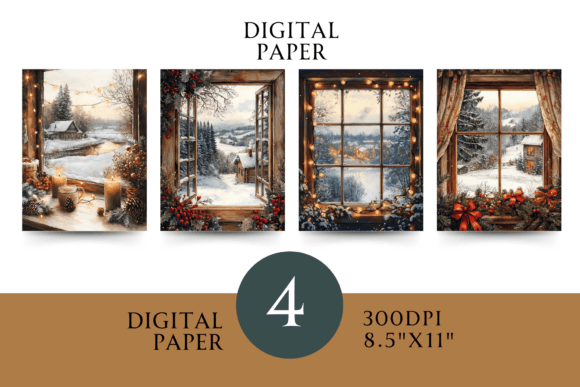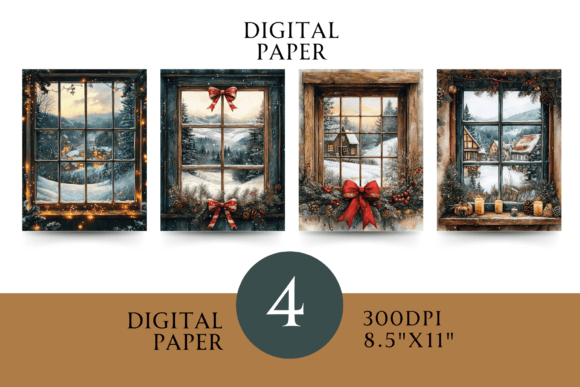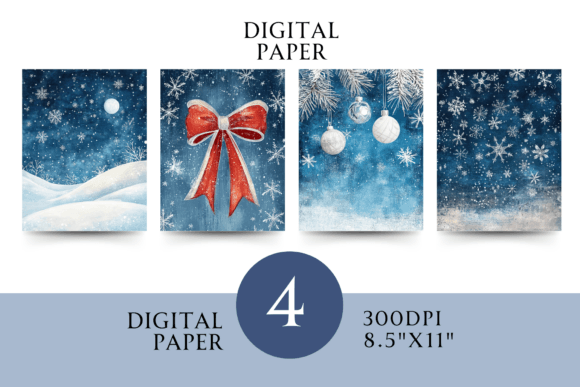
Elf Fairy Christmas Paper JPG: A Designer’s Review
As an embroidery designer who spends half my life squinting at digitized files and the other half pulling threads out of botched test runs, I have learned to be skeptical of digital assets that promise holiday magic without delivering structural integrity. When I first opened Elf Fairy Christmas Paper JPG, my initial reaction was not just about the aesthetic charm, but about its viability as a functional machine embroidery design reference or a direct printable asset for hybrid crafts. This piece falls under the category of Illustrations, which immediately signals that we are dealing with visual art that may require thoughtful translation into stitch work rather than a pre-digitized file ready for immediate hoop loading.
First Impressions: Mood and Visual Personality
The first thing that strikes you about Elf Fairy Christmas Paper JPG is its whimsical, storybook quality. It does not scream "commercial clipart" in the cheap, over-saturated sense. Instead, it carries a softer, more nostalgic mood that fits perfectly with the current trend toward cottagecore and handmade holiday aesthetics. The layout suggests a delicate balance between character and negative space, which is crucial when considering how this image will translate onto fabric. For embroidery designers, white space is not just empty; it is breathing room for the fabric to remain flexible.
The detail level is moderate, avoiding the microscopic intricacies that often turn into thread nests on home embroidery machines. This visual personality suggests a design that belongs on items meant to be cherished and displayed, rather than rugged workwear. It feels intimate, making it an ideal candidate for personalized gifts where the emotional connection matters more than industrial durability.
Real-World Application: The Tote Bag Test
To truly evaluate Elf Fairy Christmas Paper JPG, I imagined a specific real-life scenario: creating a limited-run holiday tote bag for a local boutique client. The goal was to produce a handmade product that felt exclusive and festive. Using this illustration as the central motif, I considered how it would look as a large-scale print or as a guide for free-motion embroidery.
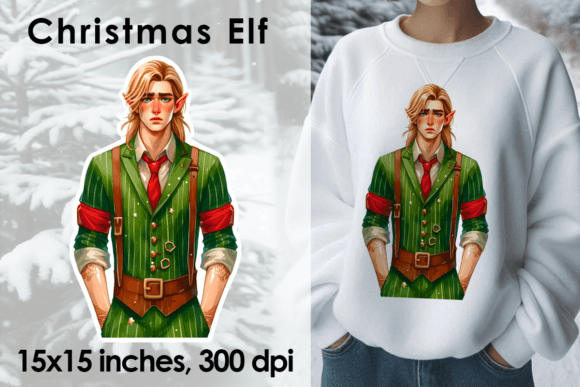
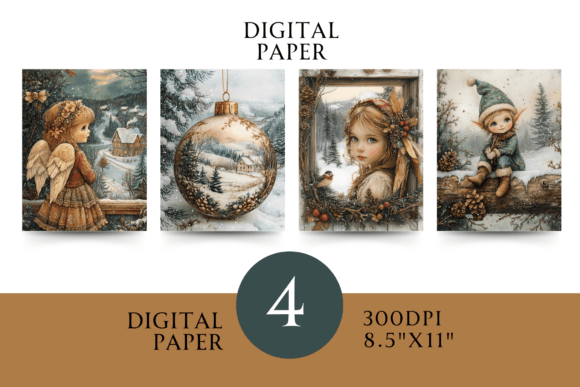
If used as a printed transfer for hand embroidery or as a reference for digitizing, the fairy’s wings and the elf’s attire offer excellent opportunities for texture variation. The flowing lines of the fairy’s dress could be rendered with long satin stitch columns to create sheen, while the background elements might benefit from a lighter fill stitch or even left as raw fabric to maintain the airy feel of the original Illustrations. On a canvas tote, the design holds its own against the textured weave, providing enough contrast to remain visible without looking cluttered.
For Etsy sellers and small shop owners, this type of design is gold. It allows for versatility. You could offer it as a printed element on a pillow cover, or use it as the basis for a custom embroidered patch. The key here is that the design does not rely on tiny, fragile details that would break down after one wash cycle. It has a robustness in its simplicity that appeals to buyers looking for quality holiday embroidery that lasts.
Fabric Considerations and Stitching Clarity
When working with a graphic like Elf Fairy Christmas Paper JPG, fabric choice is paramount. Because the design likely features soft gradients or delicate lines typical of paper-style illustrations, it performs best on stable, medium-weight fabrics. Cotton blends, linen, and twill are your friends here. These materials provide a smooth surface that allows the details of the fairy and elf to remain crisp.
However, caution is needed with stretchy fabrics like jersey knits for sweatshirt embroidery or baby clothes. Without proper stabilization, the natural give of the fabric can distort the image, turning the fairy’s graceful pose into a warped mess. If you are planning to use this on a cap or a curved surface, remember that the center of the design must be anchored securely. The stitch density needs to be balanced; too dense, and you risk puckering the fabric, especially on thinner materials like tea towels or nursery decor items.
For dark fabrics, the color palette of the original JPG becomes critical. If the illustration relies on light pastels, you will need to adjust your thread colors significantly or add a white underlay to ensure visibility. Testing the design in black and white mockups is a practical step I always recommend. If the silhouette loses its definition in grayscale, it will likely lack impact when stitched, regardless of how vibrant your thread selection is.
Commercial Viability and Brand Consistency
For creative entrepreneurs and craft business owners, the value of Elf Fairy Christmas Paper JPG lies in its adaptability. It is not just a pretty picture; it is a brand asset. When used consistently across your design assets, such as on packaging, social media previews, and the actual finished product, it builds recognition. Customers begin to associate that specific whimsical style with your brand’s quality.
This design works exceptionally well for commercial embroidery projects where the perceived value is high. Think of boutique branding for a children’s clothing line or high-end personalized gift items. The artistic nature of the illustration elevates the product beyond a generic commodity. It suggests care and curation, which justifies a higher price point. However, always confirm the licensing terms. Since this is categorized under Illustrations, ensure you have the right to use it for commercial goods if you plan to sell physical items featuring this image.
Practical Designer Notes for Execution
Before you load this into your workflow, here are some practical steps to ensure success:
- Test on Scrap Fabric: Never skip this step. Stitch out the design on the same type of fabric you intend to use for the final product to check for tension issues.
- Check Thread Contrast: Ensure your thread choices provide enough contrast against the fabric background to make the details of the elf and fairy pop.
- Review Stabilizer Needs: Use a cut-away stabilizer for garments that will be washed frequently, and a tear-away for decorative items like wall hangings or pillow covers that see less wear.
- Inspect Small Details: If you are digitizing this from the JPG, pay close attention to the tips of the wings and any fine lines. These areas may need simplification to run smoothly on standard home machines.
- Confirm Hoop Size: Make sure your chosen hoop size accommodates the full design without needing to re-hoop, which can lead to alignment errors.
In conclusion, Elf Fairy Christmas Paper JPG is a charming and versatile asset for the thoughtful designer. It bridges the gap between digital art and tactile craft, offering a pathway to create memorable custom apparel and home decor. By respecting the limitations of the medium and choosing the right materials, you can transform this illustration into a standout piece that delights customers and enhances your portfolio. It is a reminder that in embroidery, as in life, the magic is in the details, but the success is in the preparation.